
Research
Neurofeedback Efficacy in Pediatric Neurological and Developmental Disorders: ADHD, Autism, Epilepsy, and Beyond
Table of contents
March 7, 2025
EEG biofeedback training to optimize brain function: protocols, research, clinical applications, and results from 25+ years of practice.
Table of contents
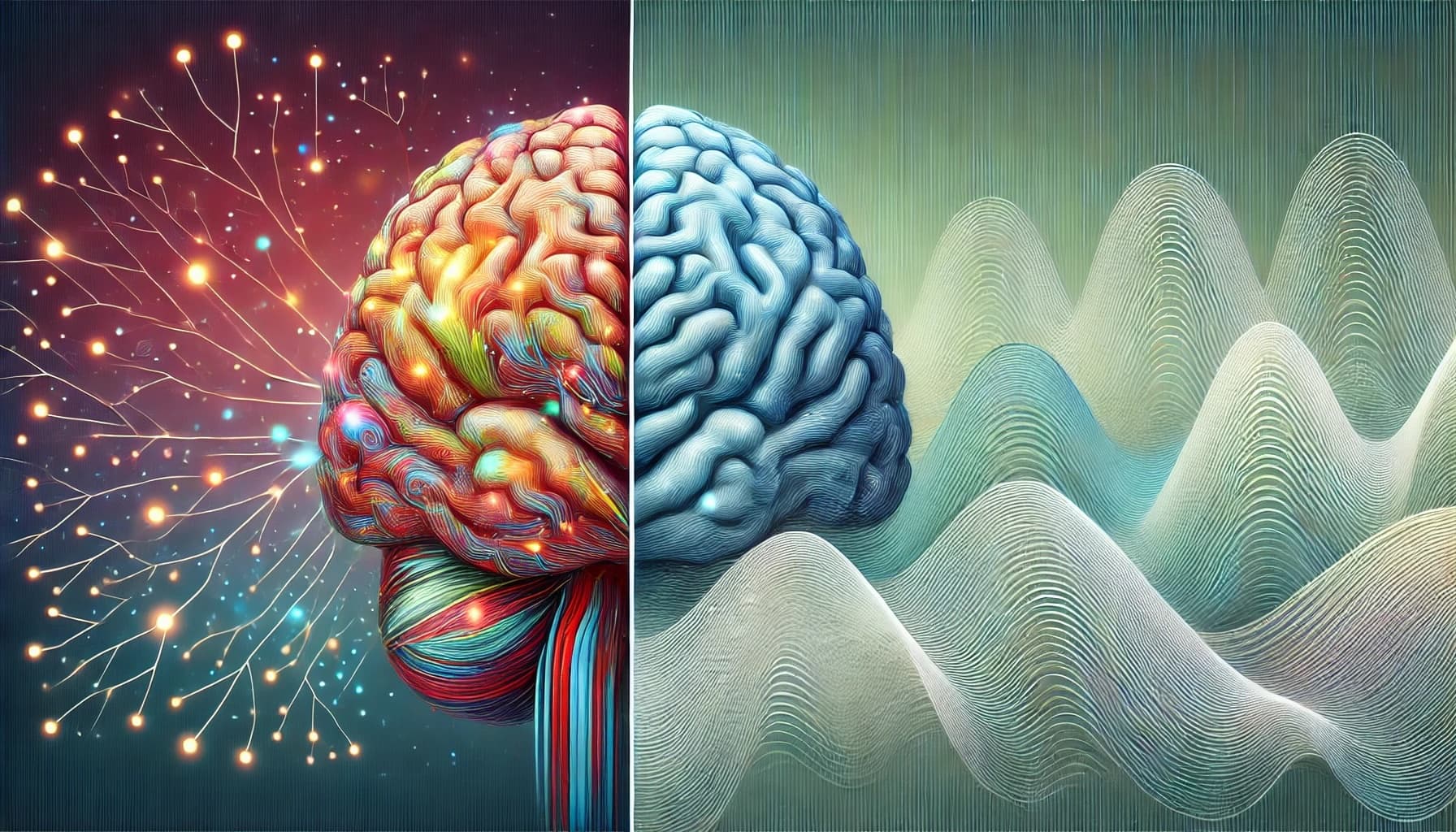
Neurofeedback - or biofeedback on EEG - is a type of brain exercise that measures and records brain activity and then provides auditory and visual feedback
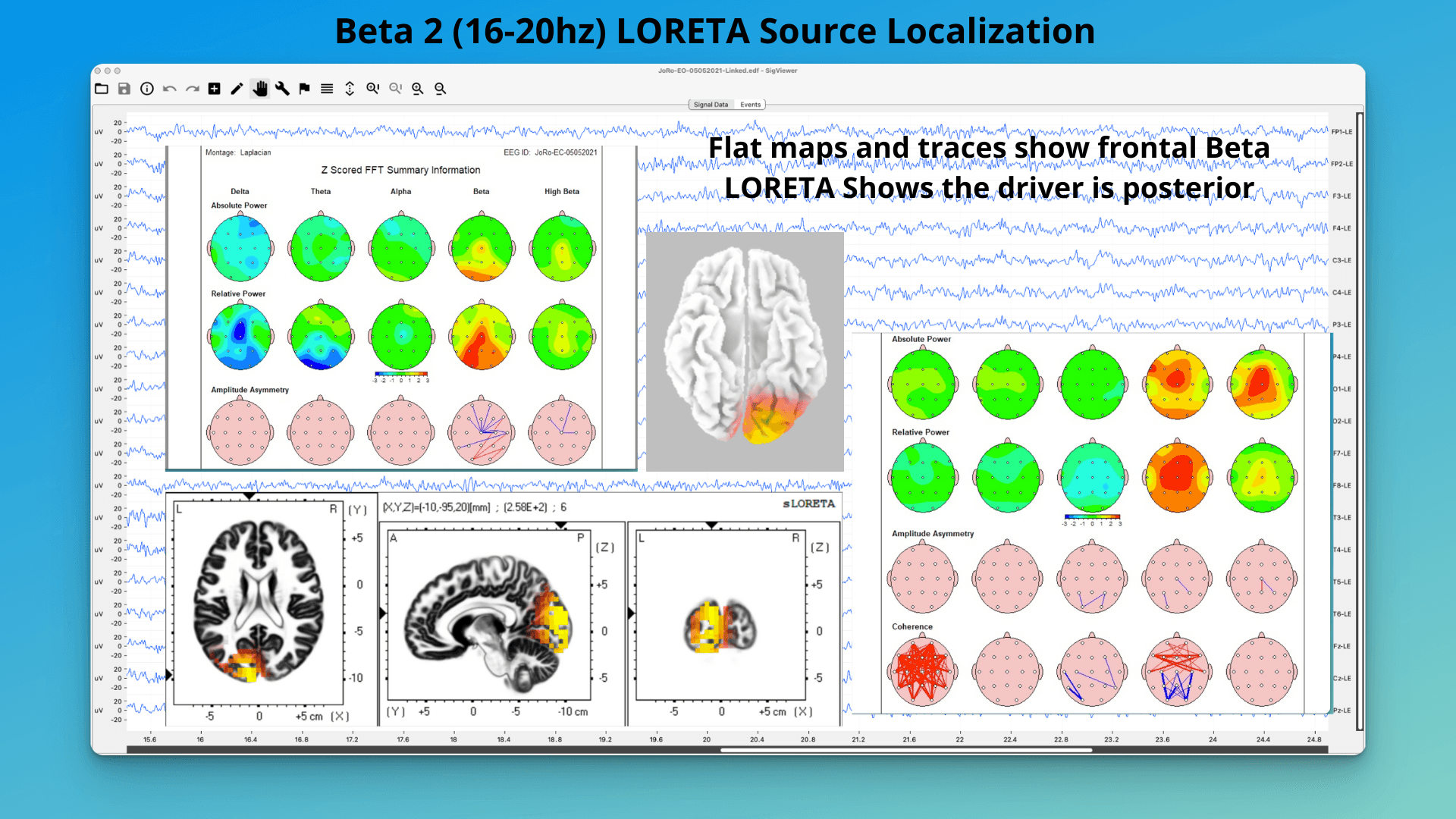
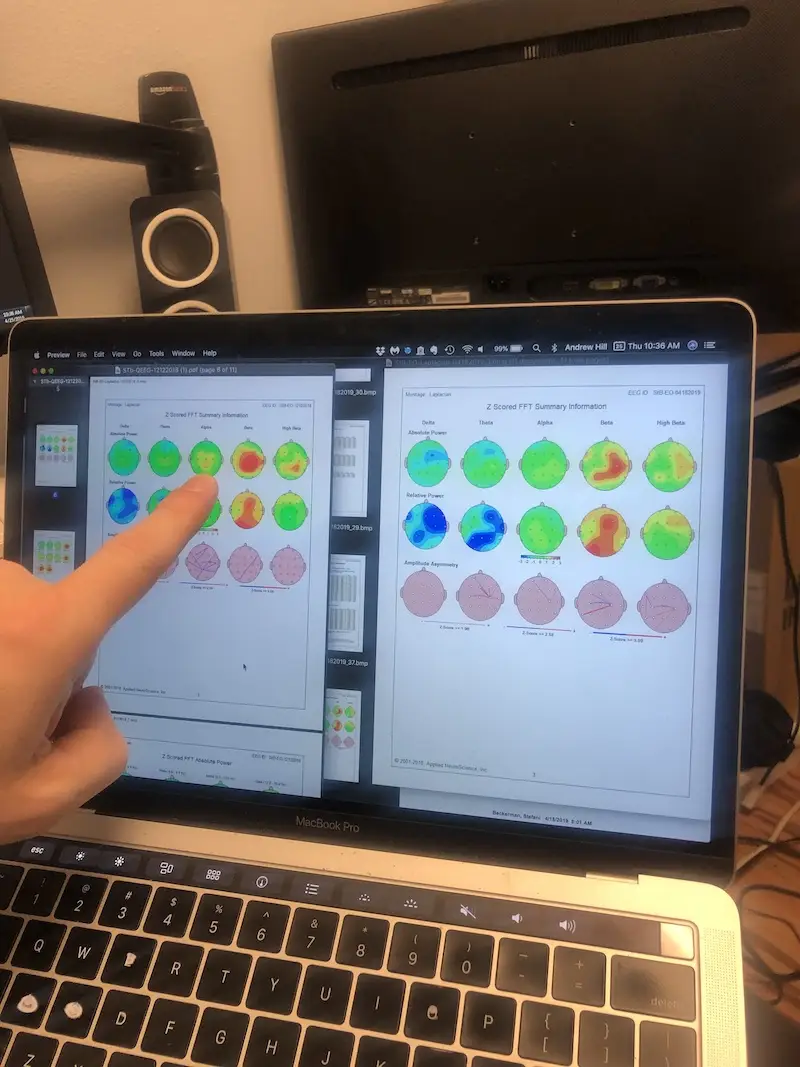
This is Part 2 of a series on understanding your own EEG, using accessible tools to dig into your own data. Please check out Part 1: Reading Your Own QEEG:
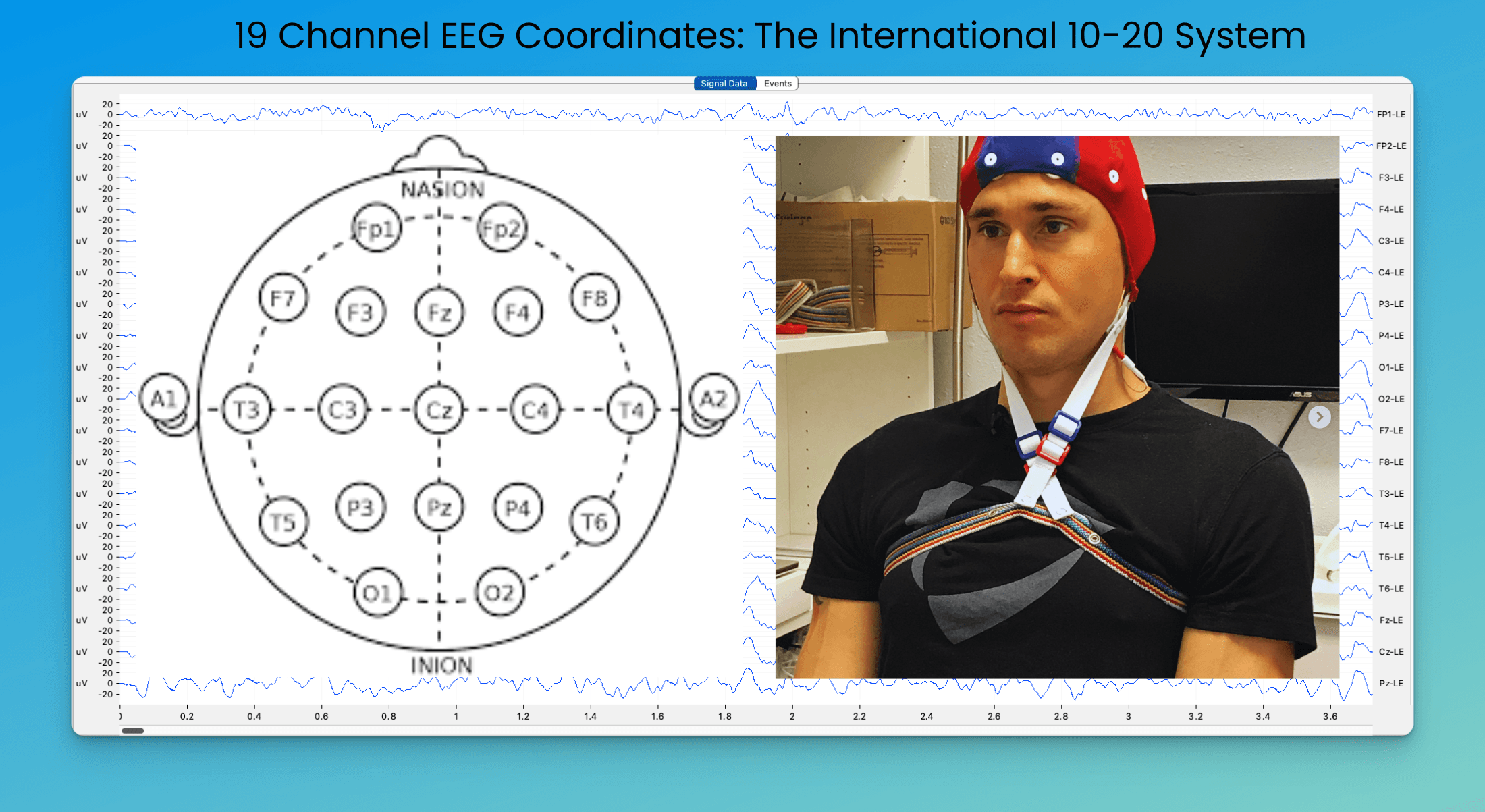
Quantitative Electroencephalography (QEEG) is a powerful tool for understanding brain function. Learn how to interpret QEEG brain maps, understand brain wave patterns, and use this data to optimize cognitive performance.

Background The number of people with cognitive deficits and diseases, such as stroke, dementia, or attention-deficit/hyperactivity disorder, is rising due to an aging, or in the case of attention-deficit/hyperactivity disorder, a growing population. Neurofeedback training using brain-computer interfaces is emerging as a means of easy-to-use and noninvasive cognitive training and rehabilitation. A novel application of neurofeedback training using a P300-based brain-computer interface has previously shown potential to improve attention in healthy adults. Objective This study aims to accelerate attention training using iterative learning control to optimize the task difficulty in an adaptive P300 speller task. Furthermore, we hope to replicate the results of a previous study using a P300 speller for attention training, as a benchmark comparison. In addition, the effectiveness of personalizing the task difficulty during training will be compared to a nonpersonalized task difficulty adaptation. Methods In this single-blind, parallel, 3-arm randomized controlled trial, 45 healthy adults will be recruited and randomly assigned to the experimental group or 1 of 2 control groups. This study involves a single training session, where participants receive neurofeedback training through a P300 speller task. During this training, the task’s difficulty is progressively increased, which makes it more difficult for the participants to maintain their performance. This encourages the participants to improve their focus. Task difficulty is either adapted based on the participants’ performance (in the experimental group and control group 1) or chosen randomly (in control group 2). Changes in brain patterns before and after training will be analyzed to study the effectiveness of the different approaches. Participants will complete a random dot motion task before and after the training so that any transfer effects of the training to other cognitive tasks can be evaluated. Questionnaires will be used to estimate the participants’ fatigue and compare the perceived workload of the training between groups. Results This study has been approved by the Maynooth University Ethics Committee (BSRESC-2022-2474456) and is registered on ClinicalTrials.gov (NCT05576649). Participant recruitment and data collection began in October 2022, and we expect to publish the results in 2023. Conclusions This study aims to accelerate attention training using iterative learning control in an adaptive P300 speller task, making it a more attractive training option for individuals with cognitive deficits due to its ease of use and speed. The successful replication of the results from the previous study, which used a P300 speller for attention training, would provide further evidence to support the effectiveness of this training tool. Trial Registration ClinicalTrials.gov NCT05576649; https://clinicaltrials.gov/ct2/show/NCT05576649 International Registered Report Identifier (IRRID) DERR1-10.2196/46135
View Full Paper →Hyperactivation of amygdala is a neural marker for post-traumatic stress disorder (PTSD) and improvement in control over amygdala activity has been associated with treatment success in PTSD. In this randomized, double-blind clinical trial we evaluated the efficacy of a real-time fMRI neurofeedback intervention designed to train control over amygdala activity following trauma recall. Twenty-five patients with PTSD completed three sessions of neurofeedback training in which they attempted to downregulate the feedback signal after exposure to personalized trauma scripts. For subjects in the active experimental group (N = 14), the feedback signal was from a functionally localized region of their amygdala associated with trauma recall. For subjects in the control group (N = 11), yoked-sham feedback was provided. Changes in control over the amygdala and PTSD symptoms served as the primary and secondary outcome measurements, respectively. We found significantly greater improvements in control over amygdala activity in the active group than in the control group 30-days following the intervention. Both groups showed improvements in symptom scores, however the symptom reduction in the active group was not significantly greater than in the control group. Our finding of greater improvement in amygdala control suggests potential clinical application of neurofeedback in PTSD treatment. Thus, further development of amygdala neurofeedback training in PTSD treatment, including evaluation in larger samples, is warranted.
View Full Paper →Background: Non-pharmacologic interventions can potentially improve cognitive function, sleep, and/or mood in patients with attention-deficit/hyperactive disorder (ADHD), post-concussion syndrome (PCS), or memory loss. Objective: We evaluated the benefits of a brain rehabilitation program in an outpatient neurology practice that consists of targeted cognitive training, lifestyle coaching, and electroencephalography (EEG)-based neurofeedback, twice weekly (90 minutes each), for 12 weeks. Methods: 223 child and adult patients were included: 71 patients with ADHD, 88 with PCS, and 64 with memory loss (mild cognitive impairment or subjective cognitive decline). Patients underwent a complete neurocognitive evaluation, including tests for Verbal Memory, Complex Attention, Processing Speed, Executive Functioning, and Neurocognition Index. They completed questionnaires about sleep, mood, diet, exercise, anxiety levels, and depression—as well as underwent quantitative EEG—at the beginning and the end of the program. Results: Pre-post test score comparison demonstrated that all patient subgroups experienced statistically significant improvements on most measures, especially the PCS subgroup, which experienced significant score improvement on all measures tested (p≤0.0011; dz≥0.36). After completing the program, 60% to 90% of patients scored higher on cognitive tests and reported having fewer cognitive and emotional symptoms. The largest effect size for pre-post score change was improved executive functioning in all subgroups (ADHD dz= 0.86; PCS dz= 0.83; memory dz= 1.09). Conclusion: This study demonstrates that a multimodal brain rehabilitation program can have benefits for patients with ADHD, PCS, or memory loss and supports further clinical trials in this field.
View Full Paper →Abstract Purpose of Review Biofeedback is a promising technique that has been used as a treatment tool for different psychological disorders. In this regard, central (neurofeedback) and peripheral psychophysiological signals are presented as comprehensible stimuli with the aim of training specific processes. This review summarizes recent evidence about its use for the treatment of impulsivity-related processes in addictive disorders. Recent Findings Neurofeedback (NFB) protocols, based on electroencephalography (EEG) and functional magnetic resonance imaging (fMRI), have focused on substance use disorders. Biofeedback protocols using peripheral measures have been mainly based on heart rate variability and focused on behavioral addictions. EEG-NFB reported good results in the reduction of hyperarousal, impulsivity and risk taking in alcohol use disorder, and decreased rates of smoking and less craving in nicotine addiction. In fMRI-NFB, effective NFB performance has been related with better clinical outcomes in substance use disorders; however, its implication for treatment is still unclear. Heart rate variability biofeedback results are scarce, but some interventions have been recently designed aimed at treating behavioral addictions. Summary In addictive disorders, biofeedback interventions for impulsivity-related processes have shown promising results, although the literature is still scarce. Further research should aim at proving the effectiveness of biofeedback protocols as a treatment option for impulsivity in addictive disorders.
View Full Paper →Introduction Mild cognitive impairment (MCI) is often described as an intermediate stage of the normal cognitive decline associated with aging and dementia. There is a growing interest in various non-pharmacological interventions for MCI to delay the onset and inhibit the progressive deterioration of daily life functions. Previous studies suggest that cognitive training (CT) contributes to the restoration of working memory and that the brain-computer-interface technique can be applied to elicit a more effective treatment response. However, these techniques have certain limitations. Thus, in this preliminary study, we applied the neurofeedback paradigm during CT to increase the working memory function of patients with MCI. Methods Near-infrared spectroscopy (NIRS) was used to provide neurofeedback by measuring the changes in oxygenated hemoglobin in the prefrontal cortex. Thirteen elderly MCI patients who received CT-neurofeedback sessions four times on the left dorsolateral prefrontal cortex (dlPFC) once a week were recruited as participants. Results Compared with pre-intervention, the activity of the targeted brain region increased when the participants first engaged in the training; after 4 weeks of training, oxygen saturation was significantly decreased in the left dlPFC. The participants demonstrated significantly improved working memory compared with pre-intervention and decreased activity significantly correlated with improved cognitive performance. Conclusion Our results suggest that the applications for evaluating brain-computer interfaces can aid in elucidation of the subjective mental workload that may create additional or decreased task workloads due to CT.
View Full Paper →BACKGROUND AND AIM: Identifying EEG brain markers might yield better mechanistic insights into how chronic pain develops and could be treated. An existing longitudinal EEG study gave us the opportunity to determine whether the development of pain is accompanied by less alpha power-ie, a "relaxed" brain state-and vice versa. METHODS: Five-minute resting EEG with the eyes open was measured 2 times in 95 subjects at T0 (baseline) and T1 (6 months later). Based on the Short-Form Health Survey and Brief Pain Inventory questionnaire, subjects were divided into 4 groups: staying pain-free (n = 44), developing chronic pain (n = 8), becoming pain-free (n = 15), and ongoing chronic pain (n = 28). The EEG data of 14 electrodes were analyzed by multilevel regression. RESULTS: The group that developed chronic pain demonstrated less power in the lower-frequency bands over time during the resting state EEG, whereas the transition to a pain-free state had the opposite pattern. Thus, the a priori hypothesis was confirmed. CONCLUSIONS: Transitions in pain states are linked to a change in baseline EEG activity. Future research is needed to replicate these results in a larger study sample and in targeted clinical populations. Furthermore, these results might be beneficial in optimizing neurofeedback algorithms for the treatment of chronic pain.
View Full Paper →Ask about our QEEG assessments and neurofeedback programs, including their scope and whether they fit your goals.
Or call us directly at 855-88-BRAIN
View Programs & Pricing →