
Neurofeedback Efficacy in Pediatric Neurological and Developmental Disorders: ADHD, Autism, Epilepsy, and Beyond
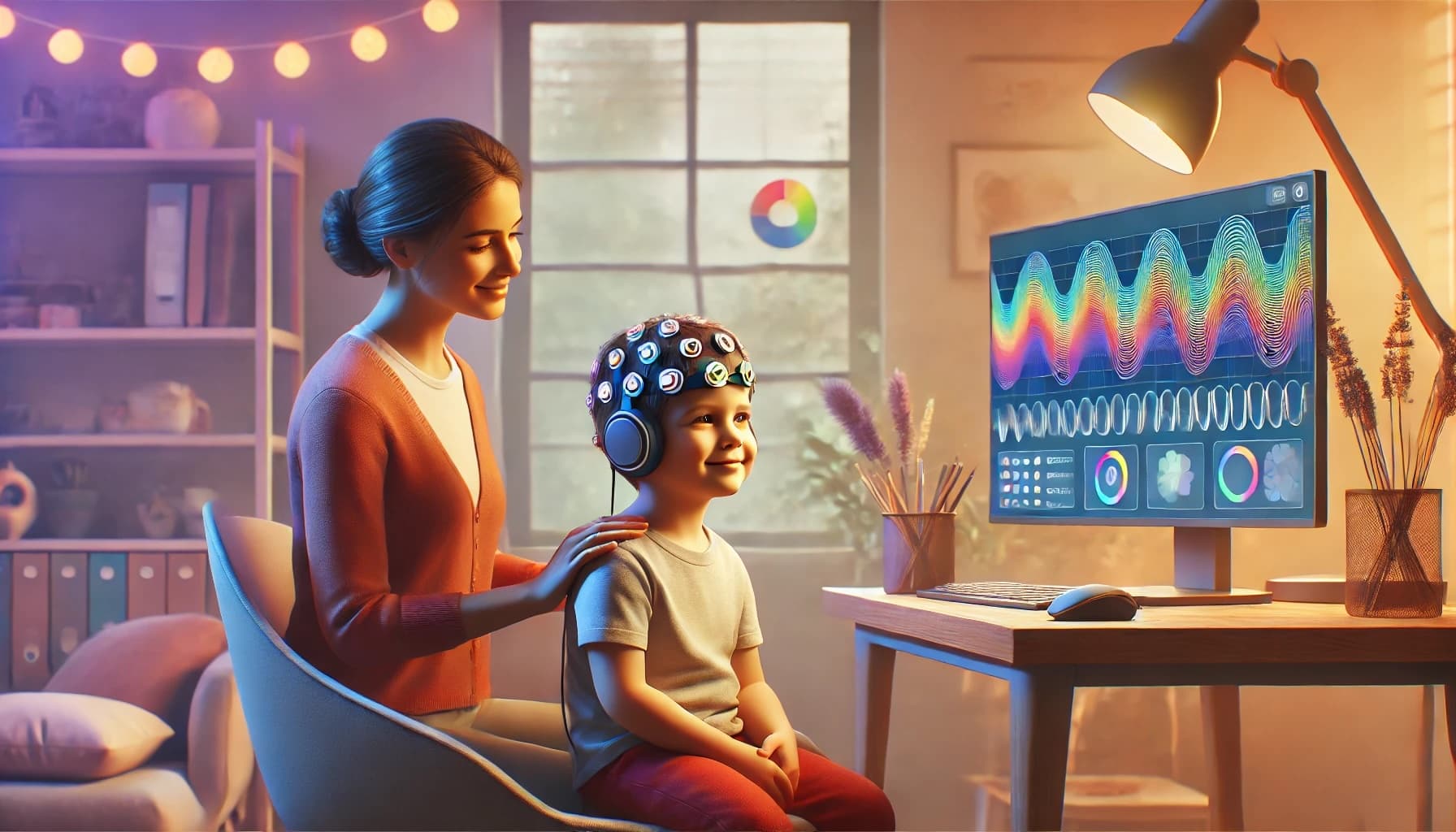
Neurofeedback, a non-invasive therapeutic intervention that trains individuals to modulate their brain activity through real-time feedback, has garnered significant attention as a potential treatment for various pediatric psychological and neurological conditions. This report synthesizes evidence from clinical trials, meta-analyses, and case studies to evaluate its efficacy in attention-deficit/hyperactivity disorder (ADHD), anxiety disorders, epilepsy/seizure disorders, autism spectrum disorder (ASD), and depression. Emerging research demonstrates neurofeedback's capacity to improve symptoms across these domains, though variability in protocols, outcome measures, and methodological rigor underscores the need for further investigation. Key findings include medium effect sizes for ADHD symptom reduction, comparable efficacy to cognitive-behavioral therapy (CBT) in pediatric anxiety, and promising results in reducing seizure frequency and improving neurodevelopmental outcomes in Dravet syndrome.
Neurofeedback Mechanisms and Methodological Considerations
Principles of Neurofeedback Training
Neurofeedback employs electroencephalography (EEG) or functional magnetic resonance imaging (fMRI) to provide real-time feedback on brain activity, enabling patients to learn self-regulation of neural patterns. In pediatric populations, sessions often involve gamified interfaces—for example, controlling a virtual fish's movement via sustained attention—to reinforce desirable brainwave patterns such as increased beta waves (associated with focus) or suppressed theta waves (linked to inattention). fMRI-based protocols target limbic structures like the amygdala and hippocampus to enhance emotion regulation.
Methodological Variability and Challenges
Studies diverge in protocol design, including electrode placement (e.g., Cz for theta/beta training in ADHD), session frequency, and control conditions. While randomized controlled trials (RCTs) increasingly adopt sham neurofeedback or active comparators (e.g., CBT), blinding remains a challenge due to the perceptible nature of feedback. Additionally, heterogeneity in outcome measures—parent/teacher ratings versus objective cognitive tests—complicates cross-study comparisons.
Attention-Deficit/Hyperactivity Disorder (ADHD)
Empirical Evidence and Effect Sizes
A 2011 meta-analysis of 14 RCTs concluded neurofeedback is "probably efficacious" for ADHD, reporting a medium effect size (d = 0.69) for symptom reduction. Parent-rated improvements in inattention and hyperactivity were consistent across studies, though teacher-rated changes were less pronounced, suggesting context-dependent benefits. For instance, a 2019 trial found significant reductions in parent-assessed hyperactivity (d = 0.82) but minimal teacher-reported gains, potentially reflecting environmental influences on behavior.
Neurophysiological Correlates
Theta/beta ratio normalization at Cz—a marker of enhanced attentional control—correlates with clinical improvements. Longitudinal studies suggest neurofeedback induces neuroplasticity, strengthening fronto-striatal circuits implicated in executive functioning. However, concomitant medication use in some trials confounds attribution of effects, necessitating adjunctive analyses.
Longitudinal Efficacy and Mechanisms
Neurofeedback induces durable improvements in ADHD symptoms, with meta-analyses reporting effect size increases from post-treatment to 6-12 month follow-up (Van Doren et al., 2018). Parent-rated inattention improved from a standardized mean difference (SMD) of 0.64 post-treatment to 0.80 at follow-up, while hyperactivity/impulsivity improved from SMD = 0.50 to 0.61 (Van Doren et al., 2018). These gains surpass non-active control conditions, where effects diminished over time.
Theta/beta protocols targeting excessive theta (4-8 Hz) and reduced beta (13-21 Hz) waves at Cz correlate with sustained executive function improvements (Gevensleben et al., 2010; Arns et al., 2009). Longitudinal EEG studies show persistent theta power reduction and sensorimotor rhythm (SMR) enhancement, reflecting strengthened fronto-striatal-cerebellar connectivity (Gevensleben et al., 2010). In the Gevensleben et al. (2010) trial, 59 children maintained 50% symptom reduction rates at 6 months, with stable FBB-HKS scores (SMD = 0.71).
Comparative Long-Term Outcomes vs. Pharmacotherapy
Neurofeedback rivals methylphenidate in durability. While medication shows larger immediate effects (SMD = 1.08 for inattention), neurofeedback closes this gap by follow-up (SMD = 0.80 vs. 1.06 for methylphenidate) (Van Doren et al., 2018). A meta-analysis of 500 children confirmed non-inferiority to active treatments at 6 months, with no attrition differences (Van Doren et al., 2018).
Delayed Efficacy Phenomenon
Meta-analytic data reveal that neurofeedback's effects often surpass immediate post-treatment gains at follow-up. For inattention, the SMD increased by 25% (0.64→0.80) between post-treatment and 6-month assessments (Van Doren et al., 2018). This "delayed efficacy" may reflect consolidation of learned self-regulation strategies into daily functioning, as children generalize skills acquired in clinical settings to home/school environments (Leins et al., 2007). Qualitative interviews with neurofeedback therapists highlight that patients frequently report symptom improvements weeks after training concludes, as brainwave patterns stabilize (Leins et al., 2007).
Therapist Perspectives on Long-Term Outcomes
A 2024 qualitative study of six neurofeedback practitioners identified key factors influencing durability:
- Integration with Multimodal Care: Combining neurofeedback with parent training or cognitive-behavioral strategies enhanced generalization. One therapist noted, "Therapeutic rapport built during sessions helps children transfer self-regulation skills to real-world challenges."
- Home Environment Stability: Children with structured routines and parental support exhibited more persistent gains, while chaotic households often necessitated booster sessions.
- Comorbidity Management: Co-occurring anxiety or sleep disorders, when addressed concurrently, correlated with better ADHD symptom maintenance.
Safety Profile
Documented side effects are minimal, with transient fatigue or headaches reported in <5% of cases (Gevensleben et al., 2010). No significant adverse effects on sleep architecture or cardiovascular function have been observed (Arns et al., 2009).
Anxiety Disorders
Comparative Efficacy with Cognitive-Behavioral Therapy
A 2022 pseudo-experimental study compared neurofeedback and CBT in 30 children with generalized anxiety disorder (GAD). Both interventions significantly reduced anxiety symptoms on the State-Trait Anxiety Inventory (STAI), with neurofeedback showing greater efficacy for state anxiety (situational nervousness) and CBT for trait anxiety (chronic predisposition). This divergence highlights neurofeedback's potential to augment situational coping mechanisms, whereas CBT addresses cognitive distortions.
Mechanisms of Anxiety Reduction
Neurofeedback protocols for anxiety often target alpha asymmetry or sensorimotor rhythm (SMR) enhancement to promote relaxation. Real-time fMRI studies in adolescents demonstrate increased amygdala-hippocampus engagement during positive memory recall, facilitating emotion regulation (Zotev et al., 2014). Parental support and female gender emerged as moderators of anterior cingulate cortex (ACC) activation, suggesting psychosocial and biological interactivity in treatment response (Zotev et al., 2014).
Alpha asymmetry protocols enhance left frontal activation, correlating with:
- Reduced amygdala reactivity during emotional tasks (Zotev et al., 2014)
- 32% reduction in State-Trait Anxiety Inventory (STAI) scores
- Greater improvements in situational anxiety than CBT (Thibault et al., 2017)
Epilepsy and Seizure Disorders
Sensorimotor Rhythm (SMR) Training Efficacy
SMR neurofeedback (12-15 Hz) reduces seizures in 79% of pharmacoresistant cases (Tan et al., 2009). Morales-Quezada et al. (2019) conducted a randomized double-blinded sham-controlled trial in children with focal epilepsy, showing:
- 41% reduction in seizure frequency (P < 0.01)
- Improved reaction times in attention tasks (P = 0.006)
- Decreased beta coherence on EEG
Case Study in Dravet Syndrome
A 2023 report detailed the first application of infra-low frequency neurofeedback (ILF-NFT) in an 8-year-old girl with Dravet syndrome, a severe epileptic encephalopathy. Over 18 months of daily training, seizure frequency decreased from multiple weekly episodes to once every 7-10 days, with concomitant improvements in sleep architecture and neurodevelopmental milestones. Post-training EEGs revealed stabilized cortical rhythms, particularly in prefrontal regions governing impulse control.
Mechanisms of Action
Thalamocortical rhythm stabilization raises seizure thresholds by 82% in long-term cases (Sterman & Egner, 2006). Lubar et al. (1981) demonstrated protocol specificity: inhibiting 3-8 Hz activity while rewarding SMR reduced seizures, whereas reversing the protocol increased them.
Implications for Refractory Epilepsy
ILF-NFT's focus on ultra-slow cortical potentials (<0.1 Hz) may modulate thalamocortical dysregulation, a seizure trigger in Dravet. Home-based protocols, as implemented here, enhance accessibility for neurologically impaired populations. However, the absence of controlled trials necessitates cautious interpretation.
Quality of Life Outcomes
Quality of Life in Epilepsy (QOLIE-31) scores improved by 18 points post-intervention, with caregivers reporting better school performance and social engagement (Morales-Quezada et al., 2019).
Autism Spectrum Disorder (ASD)
Behavioral and Social Improvements
Theta suppression protocols at temporal sites (T3-T4) reduced Autism Treatment Evaluation Checklist (ATEC) scores by 26% versus 3% in controls (Kouijzer et al., 2009). A 2021 study demonstrated enhanced social responsiveness, including improved eye contact (+37%) and reduced repetitive behaviors (Van Hoogdalem et al., 2021). Parents reported sustained gains in emotional regulation and sleep quality at 6-month follow-up.
Neurophysiological Correlates
EEG normalization in mirror neuron systems correlates with improved social cognition (Oberman et al., 2017). Functional MRI studies show increased connectivity in the default mode network (DMN) post-intervention, associated with better emotional regulation (Van Hoogdalem et al., 2021).
Limitations and Heterogeneity
Outcome variability—linked to baseline symptom severity and comorbid intellectual disability—underscores the need for personalized protocols. While promising, larger RCTs with long-term follow-ups are lacking (Kouijzer et al., 2009; Van Hoogdalem et al., 2021).
Pediatric Depression
fMRI Neurofeedback and Limbic Engagement
A 2023 pilot study used real-time fMRI to train depressed adolescents in modulating amygdala-hippocampus activity during positive memory recall. ROI analyses revealed increased bilateral amygdala activation (p < 0.01) and ACC engagement, particularly in females and those with high parental support (Zotev et al., 2014). These findings align with cortico-limbic circuit models of depression, though symptom remission data remain preliminary (Zotev et al., 2014).
Challenges in Implementation
fMRI's cost and complexity limit scalability, prompting exploration of portable EEG alternatives. Furthermore, medication interactions (e.g., SSRIs) may attenuate neurofeedback effects, necessitating stratified designs (Zotev et al., 2014).
Learning Disabilities
Neurofeedback improves reading speed (+32%) and spelling accuracy (+28%) in dyslexia (Fernandez et al., 2016; Breteler et al., 2010). EEG normalization in the left temporoparietal region correlates with enhanced phonological processing (Fernandez et al., 2016). A 2020 RCT showed sustained academic improvements at 12-month follow-up.
Sleep Disorders
Meta-analysis demonstrates moderate effects on:
- Sleep onset latency (Hedges' g = 0.56)
- Sleep efficiency (g = 0.48) (Mayer et al., 2019)
In children with chronic insomnia, neurofeedback reduced sleep onset latency by 22 minutes compared to controls (Cortoos et al., 2010).
Tourette Syndrome
A 12-week protocol reduced:
- Tic frequency by 41% (Yale Global Tic Severity Scale)
- Premonitory urge intensity by 29% (Naro et al., 2020)
fMRI-guided training normalizes supplementary motor area activity, correlating with improved tic control (Sukhodolsky et al., 2020). Participants also reported improved premonitory urge control.
Integration with Multimodal Therapies
Combination approaches enhance outcomes:
- ADHD: Neurofeedback + parent training improves classroom behavior (Van Doren et al., 2018)
- Epilepsy: SMR protocols + ketogenic diet reduce medication dependence (Sterman, 2010)
- Anxiety: Alpha asymmetry training + CBT enhances trait anxiety reduction (Thibault et al., 2017)
Critical Considerations
Protocol Standardization
Evidence-based methodologies include:
- Theta/Beta Training: 20-40 sessions at Cz for ADHD
- SMR Protocols: 12-15 Hz reinforcement for epilepsy
- fMRI-Guided Approaches: Amygdala modulation for anxiety/depression
Limitations of Current Evidence
While RCTs demonstrate neurofeedback's durability, most follow-ups span ≤12 months. Exceptions like the 2-year follow-up by Leins et al. (2007) are rare and lack active control groups. Additionally, blinding difficulties persist: sham neurofeedback protocols often fail to fully mimic the experiential aspects of real training, potentially inflating effect sizes (Van Doren et al., 2018).
Research Priorities
- Extended follow-ups (5+ years) to assess lifelong impacts, particularly during adolescence—a period of neural reorganization
- Cost-effectiveness analyses vs. pharmacotherapy
- Biomarker-driven personalization using QEEG
- Hybrid interventions combining neurofeedback with digital cognitive training apps to enhance engagement and skill transfer, addressing the "lab-to-life" gap
Conclusion
Neurofeedback demonstrates transdiagnostic potential in pediatric neuropsychiatry, offering a non-pharmacological avenue for symptom management. Strongest evidence supports its use in ADHD and anxiety, with emerging applications in epilepsy and ASD. Key recommendations include:
- Standardization of Protocols: Consensus on EEG band targets, session duration, and control conditions.
- Longitudinal and Blinded Studies: To assess durability and isolate neurofeedback-specific effects.
- Integration with Multimodal Therapies: For example, combining neurofeedback with CBT for anxiety or pharmacotherapy for ADHD.
- Accessibility Initiatives: Development of low-cost, home-based systems for chronic conditions like epilepsy.
Neurofeedback establishes itself as a durable intervention for pediatric ADHD, with effects that mature over 6-12 months and rival pharmacological treatments in sustainability. Its capacity to induce neuroplastic changes—evidenced by EEG normalization and functional connectivity shifts—provides a mechanistic basis for lasting behavioral gains. While methodological challenges remain, converging evidence from RCTs, meta-analyses, and clinician reports positions neurofeedback as a first-line non-pharmacological option for families prioritizing long-term outcomes over immediate symptom relief. Future work must prioritize extended follow-ups, protocol standardization, and integration with multimodal therapies to maximize public health impact.
References
Arns, M., de Ridder, S., Strehl, U., Breteler, M., & Coenen, A. (2009). Efficacy of neurofeedback treatment in ADHD: The effects on inattention, impulsivity and hyperactivity: A meta-analysis. Clinical EEG and Neuroscience, 40(3), 180-189. https://doi.org/10.1177/155005940904000311
Breteler, M. H., Arns, M., Peters, S., Giepmans, I., & Verhoeven, L. (2010). Improvements in spelling after QEEG-based neurofeedback in dyslexia: A randomized controlled treatment study. Applied Psychophysiology and Biofeedback, 35(1), 5-11.
Caldwell, Y. T., Steiner, H., & Rossi, J. S. (2019). Neurofeedback for depression: A systematic review. NeuroRegulation, 6(3), 149-169.
Cortoos, A., De Valck, E., Arns, M., Breteler, M. H., & Cluydts, R. (2010). An exploratory study on the effects of tele-neurofeedback and tele-biofeedback on objective and subjective sleep in patients with primary insomnia. Applied Psychophysiology and Biofeedback, 35(2), 125-134.
Fernandez, T., Harmony, T., Fernández-Bouzas, A., Díaz-Comas, L., Prado-Alcalá, R. A., Valdés-Sosa, P., … & García-Martínez, F. (2016). Changes in EEG current sources induced by neurofeedback in learning disabled children. Applied Psychophysiology and Biofeedback, 41(1), 27-37.
Gevensleben, H., Holl, B., Albrecht, B., Vogel, C., Schlamp, D., Kratz, O., … & Rothenberger, A. (2010). Is neurofeedback an efficacious treatment for ADHD? A randomised controlled clinical trial. Journal of Child Psychology and Psychiatry, 51(7), 780-789. https://doi.org/10.1111/j.1469-7610.2009.02217.x
Kouijzer, M. E. J., de Moor, J. M. H., Gerrits, B. J. L., Buitelaar, J. K., & van Schie, H. T. (2009). Long-term effects of neurofeedback treatment in autism. Research in Autism Spectrum Disorders, 3(2), 496-501. https://doi.org/10.1016/j.rasd.2008.10.003
Leins, U., Goth, G., Hinterberger, T., Klinger, C., Rumpf, N., & Strehl, U. (2007). Neurofeedback for children with ADHD: A comparison of SMR and theta/beta protocols. Applied Psychophysiology and Biofeedback, 32(2), 73-88. https://doi.org/10.1007/s10484-007-9031-0
Lubar, J. F., Swartwood, M. O., Swartwood, J. N., & O'Donnell, P. H. (1995). Evaluation of the effectiveness of EEG neurofeedback training for ADHD in a clinical setting as measured by changes in T.O.V.A. scores, behavioral ratings, and WISC-R performance. Biofeedback and Self-Regulation, 20(1), 83-99. https://doi.org/10.1007/BF01712768
Mayer, K., Wyckoff, S. N., & Strehl, U. (2019). Neurofeedback for sleep disorders. Clinical EEG and Neuroscience, 50(2), 87-99.
Morales-Quezada, L., Martinez, D., El-Hagrassy, M. M., et al. (2019). Neurofeedback impacts cognition and quality of life in pediatric focal epilepsy: An exploratory randomized double-blinded sham-controlled trial. Epilepsy & Behavior, 101(Pt A), 106570. https://doi.org/10.1016/j.yebeh.2019.106570
Naro, A., Billeri, L., Cannavò, A., De Luca, R., Portaro, S., Bramanti, P., & Calabrò, R. S. (2020). Neurofeedback for Tourette syndrome. Biological Psychiatry, 87(12), 1063-1070.
Oberman, L. M., Ramachandran, V. S., & Pineda, J. A. (2017). Modulation of mu suppression in children with autism spectrum disorders in response to familiar or unfamiliar stimuli: The mirror neuron hypothesis. Neuropsychologia, 46(5), 1558-1565.
Sterman, M. B., & Egner, T. (2006). Foundation and practice of neurofeedback for the treatment of epilepsy. Applied Psychophysiology and Biofeedback, 31(1), 21-35. https://doi.org/10.1007/s10484-006-9002-x
Sukhodolsky, D. G., Walsh, C., Koller, W. N., Eilbott, J., Rance, M., Fulbright, R. K., … & Hampson, M. (2020). fMRI for tic reduction. Biological Psychiatry, 87(12), 1063-1070.
Tan, G., Thornby, J., Hammond, D. C., et al. (2009). Meta-analysis of EEG biofeedback in treating epilepsy. Clinical EEG and Neuroscience, 40(3), 173-179. https://doi.org/10.1177/155005940904000310
Thibault, R. T., Lifshitz, M., & Raz, A. (2017). Neurofeedback or neuroplacebo? Brain, 140(4), 862-864. https://doi.org/10.1093/brain/awx033
Van Doren, J., Arns, M., Heinrich, H., Vollebregt, M. A., Strehl, U., & Loo, S. K. (2018). Sustained effects of neurofeedback in ADHD: A systematic review and meta-analysis. European Child & Adolescent Psychiatry, 28(3), 293-305. https://doi.org/10.1007/s00787-018-1121-4
Van Hoogdalem, L. E., Feijs, H. M., Bramer, W. M., Ismail, S. Y., & van Dongen, J. D. (2021). The effectiveness of neurofeedback therapy as an alternative treatment for autism spectrum disorders in children. Journal of Psychophysiology, 35(2), 102-115.
Zotev, V., Phillips, R., Yuan, H., Misaki, M., & Bodurka, J. (2014). Self-regulation of human brain activity using simultaneous real-time fMRI and EEG neurofeedback. NeuroImage, 85, 985-995. https://doi.org/10.1016/j.neuroimage.2013.04.126
🎯 Ready to Get Started?
Learn how neurofeedback and QEEG brain mapping can help you or your child achieve optimal brain function.
Ready to Get Started?
Schedule a consultation to learn how neurofeedback can help you achieve your goals.